The Generational Divide in ERP Projects: How Gen Z, Millennials, Gen X, and Boomers Contribute to Transformation Success
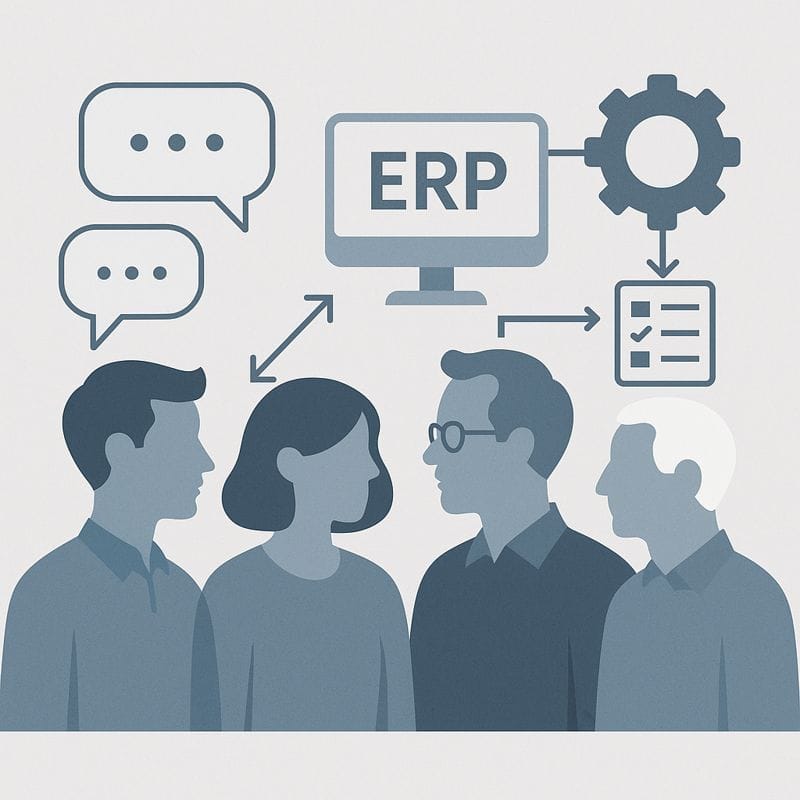
ERP implementations are never just technical exercises.
They are multigenerational social systems — where Gen Z, Millennials, Gen X, and Boomers all bring different strengths, expectations, and communication styles to the table.
These insights are based on observable trends supported by workplace research, not rigid stereotypes.
Individual differences always apply — but the patterns are strong enough that ignoring them often leads to misunderstanding, slow adoption, or friction during ERP programs.
What matters most is recognizing that every generation contributes something essential to the success of an ERP transformation.
If you want the broader “big picture” of what ERP transformation really demands (governance, ownership, finance dynamics, and the human layer), start here:
👉 https://www.fitgapfinance.com/erp-transformation-practical-guide/
1. Generational differences are trends — not fixed identities
Research from organizational psychology and multigenerational leadership studies all point to the same conclusion:
✔ Generations tend to share behaviours because they were shaped by similar socio-economic conditions.
✔ But those behaviours do not define every individual in the group.
✔ The value lies in identifying tendencies, not making assumptions about specific people.
This article uses generational patterns to help leaders anticipate friction and unlock strengths, not to label or limit anyone.
2. Gen Z in ERP Projects: Tech-forward, inquisitive, and pushing for modernization
Gen Z is the newest generation in ERP teams, and research consistently shows:
Strengths
- Exceptionally quick to learn new digital tools
- Comfortable with cloud systems, APIs, integrations
- Ask “why” when a process seems inefficient
- Collaborative by default
- Bring energy, speed, curiosity, and modern thinking
Challenges
- Low tolerance for bureaucracy or slow governance
- Prefer flat communication instead of hierarchy
- Expect direct, immediate feedback
- Disengage if processes feel outdated
Workplace Psychology (research-supported)
Studies show Gen Z:
- values flexibility and well-being
- is less optimistic about long-term corporate loyalty
- has seen instability, layoffs, and burnout among older generations
- seeks purpose and psychological safety, not just a paycheck
This shapes how they perceive ERP transformation — not as a career ladder, but as a problem to solve and a system to modernize.
Communication Preferences
Research confirms they prefer:
- short, direct messages
- asynchronous chats (Teams, Slack)
- fewer formal meetings
- transparency over hierarchy
What they bring to the table
Gen Z helps ERP teams challenge outdated processes, modernize workflows, rethink automation, and adopt new tools faster.
3. Millennials: The cross-functional translators and stabilizers
Millennials often shoulder much of the ERP workload — and research helps explain why.
Strengths
- Strong functional understanding
- Bridge business and technology
- Effective communicators across generations
- Pragmatic and collaborative
- Comfortable with both detail and strategy
Challenges
- Often overloaded with SME, PO, training, and testing responsibilities
- Tend to mediate conflicts across generations
- Higher reported burnout in many surveys, though burnout affects all generations
Communication Preferences
- Appreciate structured but flexible communication
- Dislike micromanagement
- Comfortable with a mix of digital and traditional channels
What they bring to the table
Millennials are often the glue of ERP programs — coordinating stakeholders, translating requirements, and keeping things moving.
4. Gen X: The steady operational backbone
Gen X is often underappreciated — yet their impact on ERP programs is enormous.
Strengths
- Highly autonomous and reliable
- Deep process knowledge
- Excellent at execution and risk management
- Low drama, high consistency
Challenges
- Less vocal in digital channels
- May be slower to adopt new tools without rationale
- Prefer clarity before embracing major changes
Communication Preferences
- Rationale + clarity
- Written documentation
- Clear expectations rather than improvisation
What they bring to the table
Gen X forms the operational backbone of ERP projects — ensuring continuity, grounding discussions, and keeping the project realistic.
5. Boomers: The institutional memory and process stewards
Boomers bring something no other generation can replace: context.
Strengths
- Deep understanding of legacy processes
- Strong sense of responsibility
- Ensure compliance and audit integrity
- Catch risks and exceptions others overlook
Challenges
- Fast iteration cycles can create cognitive overload
- Less comfortable with new digital tools
- Prefer formal, structured communication
- Strong attachment to established processes
Communication Preferences
- Face-to-face or structured meetings
- Formal updates
- Clear documentation and sequencing
What they bring to the table
Boomers safeguard institutional knowledge and ensure new systems reflect the business reality, not just the idealized design.
6. Communication: the biggest generational friction point in ERP programs
Research is unanimous: communication style is where most generational tension lives.
Gen Z
Prefers quick messages, informal tone, fewer meetings, transparency.
Millennials
Hybrid: efficient communication, autonomy, balanced structure.
Gen X
Clear expectations, rationale, actionable detail.
Boomers
Structure, clarity, formal meetings, documentation.
When ERP projects fail tests, miss approvals, or run into misunderstandings, the root cause is often communication mismatch — not capability.
7. Technology comfort: why tool adoption varies by generation
Studies in technology behaviour show:
- Gen Z & Millennials adopt new tools quickly
- Gen X follows with logical justification and stable training
- Boomers prefer structured onboarding and familiar workflows
This impacts:
- UAT speed
- reporting adoption
- training models
- workflow and approval tools
- communication platforms
The takeaway: each generation can use the tools — but they need different forms of support.
8. The psychology of work has changed — and it matters in ERP
Gen Z’s worldview is shaped by:
- economic volatility
- layoffs and instability
- burnout culture
- rising mental health awareness
Older generations grew up with:
- long-term employer loyalty
- stable career progression
- clearly defined hierarchy
Research shows generational attitudes toward work differ in:
- trust in corporate structures
- preferred pace of change
- expectations about feedback
- tolerance for ambiguity
ERP transformation sits at the intersection of all these expectations.
9. Most ERP friction is predictable — and avoidable
Gen Z vs Boomers
Innovation vs tradition
Speed vs structure
Informal vs formal communication
Millennials vs everyone
Bridge-builders who become overloaded
Gen X vs younger generations
Silence interpreted as disengagement
Need for rationale vs desire for autonomy
Boomers vs project pace
Overwhelmed by iteration
Under-supported in learning
None of these are personal.
They are systemic patterns.
10. How ERP leaders bridge the generational divide
✔ Communicate differently with each generation
This increases adoption speed and reduces escalations.
✔ Match strengths to ERP roles
- Gen Z → automation, UX, testing
- Millennials → coordination, translation, functional depth
- Gen X → continuity, risk assessment
- Boomers → compliance, process accuracy
✔ Tailor training
- Short videos + sandbox for younger groups
- Step-by-step workshops for Boomers
- Paired learning across cohorts
✔ Reduce unnecessary meetings
Flexible formats satisfy younger generations; structured checkpoints satisfy older ones.
✔ Acknowledge the emotional component
ERP transformation disrupts identity, routines, and expertise.
Ignoring this is a leadership failure.
Conclusion
ERP projects succeed not because one generation performs better than another — but because all generations contribute something essential.
When leaders understand:
- how each generation communicates,
- what motivates them,
- how they adopt technology, and
- what they fear or value in a transformation…
…then resistance decreases, collaboration improves, and adoption accelerates.
ERP is technical.
But successful ERP is human — and humans span four generations.
If you want the broader “big picture” of what ERP transformation really demands (governance, ownership, finance dynamics, and the human layer), start here:
👉 https://www.fitgapfinance.com/erp-transformation-practical-guide/
Related Articles
- The Human Side of ERP Projects
https://www.fitgapfinance.com/human-side-erp-projects/ - The Psychological Resistance Behind ERP Projects
https://www.fitgapfinance.com/erp-psychological-resistance/ - Key User Success Factors in an ERP Project
https://www.fitgapfinance.com/key-users-erp-project-realities/ - Questions to Ask Before Implementing Intercompany in D365 Finance
https://www.fitgapfinance.com/questions-to-ask-before-implementing-intercompany-in-dynamics-365-finance/
© FitGap Finance — Practical ERP & Finance Insights
FR version: https://www.fitgapfinance.com/ecarts-generationnels-projets-erp/
EN version: https://www.fitgapfinance.com/erp-projects-generational-differences/