What ERP Leaders Need to Understand About Their Implementation Partner
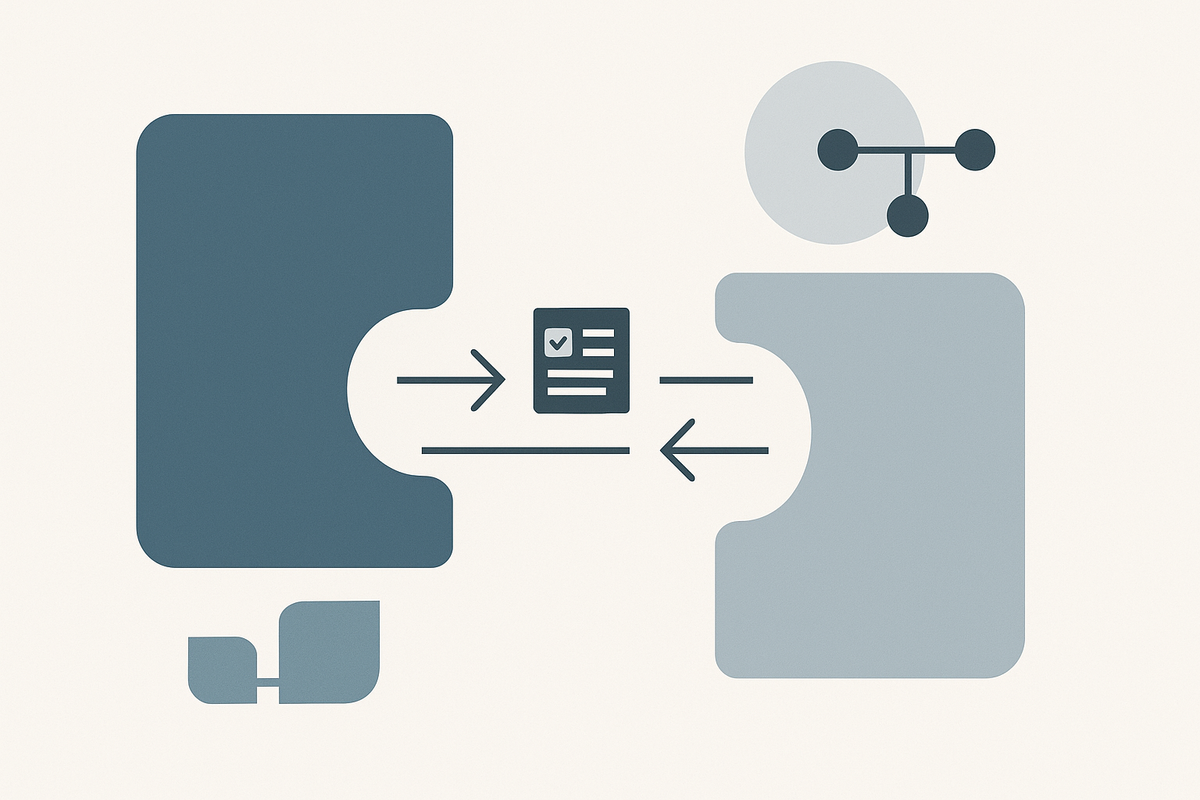
Most organizations hire an implementation partner.
Very few know how to use one properly.
ERP failures are rarely caused by partners. They are caused by how the organization shows up to the project.
They’re caused by how the client organization shows up: its clarity, its alignment, its availability, and its willingness to take ownership.
Here are five truths every ERP leader needs to understand — without sugar-coating.
1) Your partner is not your biggest risk — your own organization is
Clients often treat partners like vendors delivering a product.
But ERP projects don’t work that way.
If the business is:
- unavailable
- unclear about decisions
- politically fragmented
- resistant to change
- confused about scope
then no integrator, no matter how experienced, can compensate.
Most ERP failures originate internally — not with the partner.
This internal misalignment is one of the recurring reasons why many Dynamics 365 Finance implementations fail after go-live, regardless of partner quality.
Your partner will amplify whatever you give them:
clarity or chaos, alignment or confusion.
Related insight:
https://www.fitgapfinance.com/human-side-erp-projects/
2) If you don’t invest in internal ERP talent, your partner becomes a crutch
Many organizations think paying for an implementation partner reduces the need to build internal capability.
Reality says the opposite.
To deliver well, you need internal resources who understand:
- ERP concepts (not just their operational job)
- digital transformation principles
- decision frameworks
- reporting and data dependencies
- how and why projects fail
Without internal strength, partners end up carrying responsibilities that belong to the business.
And that always backfires, especially post go-live.
Related post:
https://www.fitgapfinance.com/roles-responsibilities-in-an-erp-implementation-project/
3) Asking your partner to “add more consultants” is a short-term fix with long-term consequences
When business availability drops, the common request is:
“Can the partner add more resources?”
It feels logical.
It almost never is.
Adding more consultants:
- increases cost
- increases dependency
- delays knowledge transfer
- reduces internal ownership
- hides structural business issues
- slows decision-making
- complicates stabilization
You can’t outsource engagement.
You can’t buy your way out of internal unavailability.
More consultants ≠ faster progress.
Sometimes it means more noise.
Related post:
https://www.fitgapfinance.com/real-life-erp-implementation-lessons/
4) Your partner’s recommendations aren’t opinions — they’re patterns they’ve seen 100 times
Organizations often underestimate how many ERP programs partners have delivered.
When a partner warns you about:
- data readiness
- scope creep
- unclear decision rights
- lack of key user availability
- under-scoped reporting
- unrealistic timelines
they’re not being negative — they’re describing the patterns that sink projects every year.
Ignoring early warnings doesn’t make you bold.
It makes you late.
Related post:
https://www.fitgapfinance.com/erp-implementation-environment-strategy/
5) Trust is not a soft factor — it is the operating system of the entire project
When trust is low:
- issues get hidden
- risks are downplayed
- collaboration collapses
- conflict becomes political
- partner resources disengage
- progress slows dramatically
When trust is high:
- risks surface early
- decisions move faster
- blame disappears
- alignment strengthens
- go-live becomes manageable
Trust is not emotional.
It’s structural.
It directly influences the cost, duration, and quality of your ERP program.
Related post:
https://www.fitgapfinance.com/erp-governance-model-roles-decision-rights/
Closing Thought
Your implementation partner is not the hero of the project — and neither are they the villain.
They are a multiplier.
They amplify whatever the business gives them: clarity, alignment, ownership, or the lack of it.
When organizations build internal strength and treat partners as strategic collaborators instead of vendors, ERP delivery becomes faster, cleaner, and far less painful.
Explore more insights at:
https://www.fitgapfinance.com/
Versions available
- EN: https://www.fitgapfinance.com/erp-implementation-partner-truths/
- FR: https://www.fitgapfinance.com/partenaire-implantation-erp-verites/
© FitGap Finance — All rights reserved