ERP Cutover Planning: The Step Most Teams Underestimate
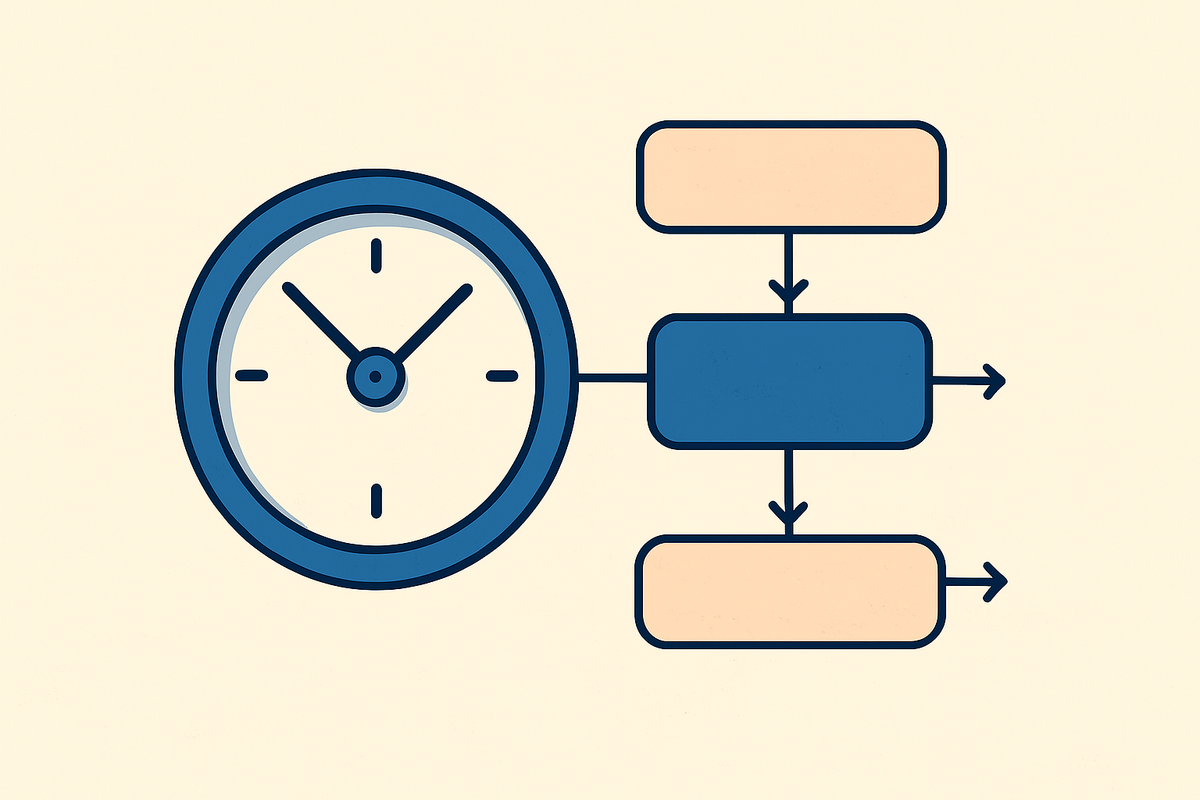
For many organizations, the go-live weekend marks the finish line of an ERP implementation. But in reality, it’s the most fragile phase — one where all the work of months or even years converges into a few critical days.
And yet, the cutover plan — the detailed sequence of steps that takes the organization from the old system to the new — is often one of the least mature deliverables until the very end of the project.
This is a mistake that costs teams dearly.
1. Why cutover deserves attention early
A strong cutover plan isn’t something that can be built in a week. It takes months of refinement and iteration to reach the level of detail required for a smooth transition.
The reason is simple: the cutover touches every domain — data migration, finance, procurement, operations, integrations, security, and more.
It’s not just about what happens on go-live weekend. It’s about understanding dependencies, timing, and ownership across dozens of tasks that will only succeed if everyone acts in sync.
Teams that start this planning too late often discover gaps when it’s already too risky or expensive to fix them.
🔗 See also: The ERP Implementation Journey: From Design to Go-Live
2. The real purpose of rehearsals
A well-governed ERP project treats cutover rehearsals not as a formality but as an integral part of the implementation strategy.
Each rehearsal exposes new insights:
- How long certain tasks actually take versus how long they were planned for.
- Which dependencies or sequences are unclear.
- Which handoffs between teams create delays or confusion.
Through repetition, the organization gains both precision and confidence.
By the time of the real cutover, every task owner should know their role, their timing, and their fallback scenario.
This iterative process is also where true business ownership emerges — when each department realizes the impact of its readiness on the collective outcome.
3. Why cutover is a governance topic, not just a technical one
While the cutover plan may be managed by the project team, cutover governance belongs at the executive level.
It’s a risk management exercise as much as a technical one.
It determines whether the organization will start its first day in the new ERP with stable operations, reliable reporting, and compliant controls — or with manual workarounds and uncertainty.
Strong governance ensures:
- There is clear accountability for each stream.
- Decision-making authority is defined (who can greenlight a step or rollback).
- Go-live criteria are agreed upon and documented.
This structure gives leaders confidence that the project isn’t just technically ready, but operationally ready.
🔗 Related reading: Why CFOs Should Lead ERP Governance — Not IT
4. What strong cutover preparation looks like
Mature organizations typically follow a few best practices:
- Start early. The first version of the cutover plan should appear right after the data migration and deployment strategies are defined — not at the end.
- Assign ownership. Each cutover activity should have one responsible business owner, not just a technical name.
- Iterate through multiple rehearsals. Each cycle improves timing accuracy and builds organizational muscle memory.
- Integrate with governance. Cutover progress should be reviewed in steering committees, not buried in technical meetings.
- Include rollback criteria. Knowing what would trigger a rollback builds confidence, not fear.
🔗 See also: Best Practices for Production Deployments in D365 Finance Projects
5. The hidden value of rehearsal data
Every cutover rehearsal produces metrics that are invaluable for decision-making.
They reveal how long certain activities truly take — and how long they need to.
That data feeds back into the go-live readiness assessment:
- Can data be loaded within the planned window?
- Do dependencies (like closing legacy ledgers or reconciling balances) align across streams?
- Are there single points of failure that need mitigation?
Teams that measure and adjust through rehearsals enter go-live with realistic timing and clear confidence — not blind optimism.
6. What happens when it’s treated as a checkbox
Projects that view the cutover plan as “just another deliverable” often face:
- Go-live weekends that stretch from 2 days to 4 or 5.
- Critical errors discovered mid-transition.
- Unclear communication during production deployment.
- Post-go-live chaos that erodes user trust.
These failures aren’t due to bad luck — they stem from underestimating rehearsal and refinement.
As with any performance, success depends on how many times you’ve practiced.
7. The real lesson
Cutover planning isn’t a technical milestone — it’s a moment of truth for the entire organization.
It tests readiness, communication, and accountability.
It reveals whether the project team truly operates as one unit.
And it demonstrates whether governance has been proactive or reactive.
Teams that start early, rehearse repeatedly, and treat the cutover as a strategic exercise — not a weekend event — consistently achieve smoother go-lives and faster stabilization.